


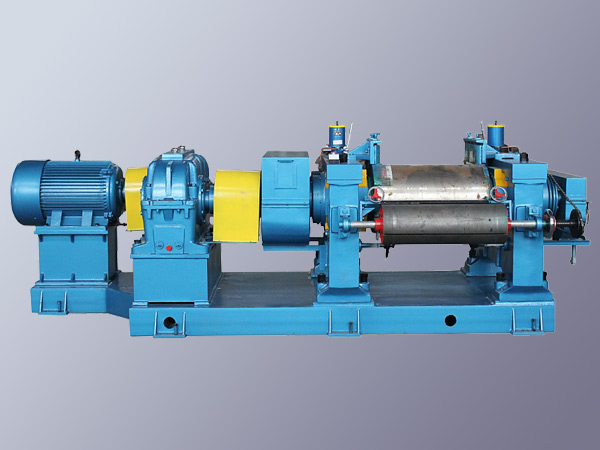
Rubber processing machinery — including internal mixers, open mills, calenders, extruders, and curing presses — represents a significant capital investment for any rubber manufacturing facility. Proper maintenance is not merely a cost of operation; it is a strategic practice that directly affects product quality, production efficiency, safety, and the overall lifespan of the equipment. This guide outlines best practices for maintaining rubber machinery in industrial environments.
Daily and Weekly Maintenance Routines
A disciplined preventive maintenance schedule is the foundation of equipment longevity. Daily inspections should include checking lubricant levels in gearboxes and bearing housings, verifying the condition of hydraulic hoses and seals, and cleaning accumulated rubber compound residues from rotors, rolls, and extrusion screws. Residual rubber left on heated surfaces can carbonize over time, creating hard deposits that cause uneven heating and dimensional defects in the finished product.
Weekly maintenance tasks should include inspecting V-belts and chains for tension and wear, verifying temperature control system accuracy with an independent pyrometer, and checking emergency stop and safety interlock systems. Temperature controller calibration is particularly critical — even a 5°C drift can significantly affect the cure state of rubber compounds. Document all inspections in a digital CMMS (Computerized Maintenance Management System) for trend analysis.
Lubrication Best Practices
Rubber machinery operates under demanding conditions: high loads, elevated temperatures, and exposure to compounding chemicals. Selecting the correct lubricant type is essential. High-temperature lithium complex greases with a dropping point above 220°C are recommended for bearing applications on internal mixers and calenders. For extruder gearboxes, synthetic EP (extreme pressure) gear oils with ISO VG 320-460 provide superior thermal stability and longer service intervals.
Over-lubrication is a common mistake that leads to seal failure and contamination. Use calculated quantities based on bearing size and operating speed. Automatic lubrication systems with programmable discharge intervals and flow monitoring provide more consistent results than manual greasing. Replace all lubricants at the intervals specified by the equipment manufacturer, or more frequently if the equipment operates in high-ambient-temperature conditions.
Roll and Screw Surface Maintenance
The rolls of open mills and calenders, as well as the screws and barrels of extruders, are precision components whose surface condition directly determines product quality. Chrome-plated rolls should be inspected weekly for pitting, scoring, or chrome delamination. Any surface defects should be addressed immediately — minor scratches can often be polished out using fine-grit abrasive stones rotated at low speed, while deeper damage may require re-chroming.
For extruder screws and barrels, periodic wear measurement using a profile gauge or laser scanner helps predict remaining service life. Screw hardfacing with cobalt-based or nickel-based alloys can extend screw life by 2-3 times compared to standard nitrided surfaces. Consider building a rotating spare inventory — having a reconditioned screw assembly ready to install minimizes downtime during emergency replacements.
Temperature Control System Maintenance
Temperature control units (TCUs) and thermal oil systems are the lifeblood of rubber processing. Contaminated thermal oil — degraded by oxidation and thermal cracking — forms carbon deposits that restrict flow and reduce heat transfer efficiency. Schedule annual oil analysis for thermal conductivity, viscosity, and acid number. Replace thermal oil every 2-3 years depending on operating temperature and duty cycle.
Clean heat exchanger plates and cooling tower circuits annually to prevent scaling. Scale buildup as thin as 1 mm can reduce heat transfer efficiency by 10-15%, leading to longer cycle times and inconsistent cure states. Water treatment with corrosion inhibitors and biocides is essential for open-loop cooling systems.
Predictive Maintenance Technologies
Modern maintenance programs increasingly incorporate predictive technologies. Vibration analysis using accelerometers mounted on bearing housings can detect early-stage bearing wear, misalignment, or imbalance months before catastrophic failure occurs. Thermographic inspection — using an IR camera to scan electrical panels, motor terminals, and heated surfaces — identifies hot spots that indicate loose connections, failing components, or insulation deterioration.
Oil analysis laboratories can quantify wear metal concentrations (iron, copper, lead, tin) in gearbox and hydraulic system samples, providing early warning of internal component wear without disassembly. Combine these predictive techniques with a threshold-alert system in your CMMS to trigger maintenance actions automatically when readings exceed established baselines.
Extending the service life of rubber processing machinery requires a systematic approach combining daily preventive care, proper lubrication, surface maintenance, temperature system management, and modern predictive technologies. Facilities that implement a comprehensive maintenance program typically achieve 30-50% longer equipment life, 15-25% reduction in unplanned downtime, and consistently higher product quality. Investment in maintenance infrastructure and training is one of the highest-return activities available to rubber manufacturing operations.